
Our On-Page SEO services improve website structure, optimize content and meta tags, and strengthen internal linking to help your pages rank higher on Google and attract more organic traffic.
On-page SEO is the process of optimizing individual web pages so they rank higher in Google search results (SERPs) and attract more organic traffic. It focuses on improving key page elements such as title tags, meta descriptions, content structure, internal links, and keyword placement to help search engines better understand your content.
This is a default code for title tag, given below is title tag of this current page


The meta description is a short summary of your web page that appears below the title tag in Google search results (SERPs). A well-written meta description should clearly explain the page content, include your target keywords, and encourage users to click through to your website. A compelling description can improve click-through rates (CTR) and help drive more organic traffic to your page.

Header tags are the headings and subheadings used to structure your web page content. They improve readability for users and help search engines understand the hierarchy and topic of your page. Proper use of header tags also supports keyword relevance and on-page SEO optimization.
Tags or keywords describe the main topic of your web page. They help search engines understand what your content is about and when to display it in relevant search results. Using relevant and targeted keywords improves your chances of ranking for the right queries.
Images enhance user experience by making your page more engaging and visually appealing. For SEO, every image should include descriptive alt text, optimized file names, and appropriate sizes. Properly optimized images can help improve page relevance, accessibility, and search visibility.
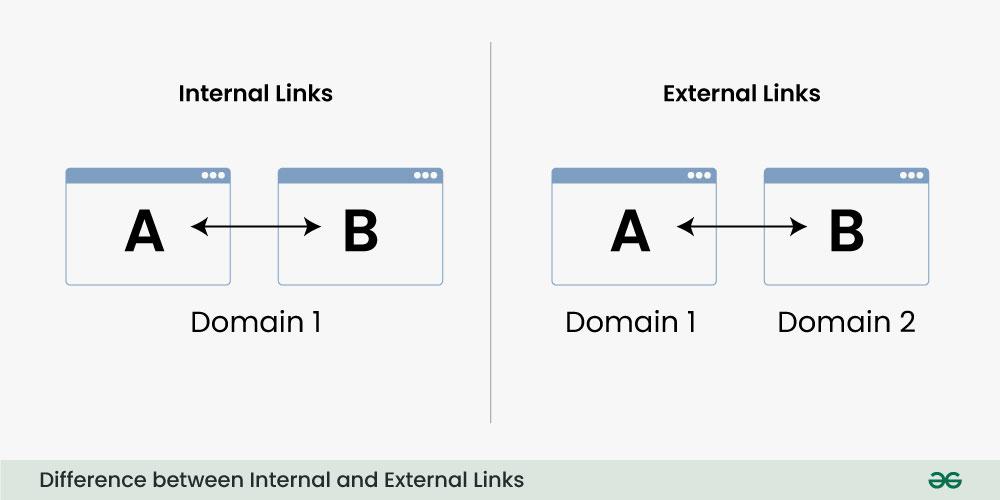
External links connect your content to trusted and authoritative websites. Linking to relevant, high-quality sources helps improve your website credibility, trustworthiness, and SEO value in search engines.
Internal links connect different pages within your website. They help users navigate related content, keep visitors on your site longer, and allow search engines to crawl and understand your website structure, which can improve overall search rankings.
Content is the main body of your web page and one of the most important elements of on-page SEO. High-quality content should be well-written, informative, and relevant to your target audience. It should naturally include target keywords, answer user questions, and provide value that encourages visitors to stay longer on your page. Search engines prioritize pages with useful, original, and well-structured content.
Using the right SEO tools can significantly improve your on-page optimization and help your website rank higher in search results. Tools like SE Ranking’s On-Page SEO Checker analyze individual pages and evaluate how well they follow SEO best practices.
Here’s how tools like SE Ranking can help improve your on-page SEO:
On-Page SEO Audits analyze important page elements for SEO performance and user experience.
Custom optimization tasks can be created for each page or target URL.
The tool evaluates key on-page SEO factors such as content quality, media usage, and page structure.
It provides actionable SEO recommendations based on priority.
You can track optimization progress using workflow labels like “to do,” “done,” or “ignore.”
These insights help you identify issues, prioritize improvements, and ensure your on-page SEO strategy supports better search engine rankings and organic traffic growth.
On-page SEO focuses on optimizing elements within your website, including content quality, keyword placement, title tags, meta descriptions, and page structure.
Off-page SEO, on the other hand, focuses on external factors such as backlinks, brand mentions, social signals, and overall online authority.
In simple terms:
On-page SEO = What you control on your website
Off-page SEO = Signals from other websites and platforms
Both strategies work together to improve search visibility and website authority.
On-page SEO plays a crucial role in improving your website’s search engine visibility and user experience.
Proper on-page optimization increases your chances of ranking higher in Google search results, making it easier for users to find your website.
Well-structured content, clear headings, and optimized layouts improve readability and navigation, leading to a better user experience.
Using the right keywords, title tags, and meta descriptions helps search engines match your content with relevant search queries.
Strong on-page optimization helps your website stand out from competitors in search results.
Google prioritizes mobile-friendly websites, making mobile responsiveness an important part of on-page SEO.
On-page SEO is not just about improving rankings. It helps build trust, increase engagement, and turn visitors into customers.
Optimizing headings, meta tags, and page content helps search engines better understand your pages, improving rankings for relevant keywords.
Higher rankings in search results lead to more clicks and increased organic traffic.
Optimized page structure, clear navigation, and engaging content create a positive experience for visitors.
Fast loading pages, relevant content, and easy navigation help reduce bounce rates and keep users engaged.
Optimizing for mobile devices ensures your website performs well across different screen sizes, improving both rankings and usability.
Mastering on-page SEO is essential for improving your website’s search visibility and long-term online success. By optimizing elements such as content, keywords, meta tags, internal links, and page structure, you can improve your rankings in search results and attract more organic traffic.
Implementing these strategies consistently helps your website stay competitive, visible, and relevant in search engines.
We analyze your pages for keywords, content, meta tags, site structure, and SEO gaps, then share clear fixes to improve rankings and traffic.
Copyright 2025, Dreams Unlimited Digital Marketing Agency. All Rights Reserved.